










California Online Divorce: Your Guide to Easy and Efficient Filing


Authored by Izzat H. Riaz – Californian Paralegal, U.K. Certified Lawyer (LL.M.)
Introduction to California Online Divorce
- California is a no-fault state, allowing spouses to file for divorce without proving wrongdoing.
- The process to divorce online in California is fast, efficient, and accessible, especially for uncontested cases where both parties are in agreement on all major issues.
- Online divorce platforms provide court-approved California divorce forms, streamlining the filing process for an uncontested divorce.
- The state of California requires a minimum 6-month waiting period after filing for divorce.
- Do it yourself divorce is a viable option for couples with an uncontested case who can reach an agreement, allowing them to avoid lawyer fees.
Reaching an agreement on property division, child custody, and support helps streamline the process and is essential for an uncontested divorce.
Understanding California Divorce Forms
- California divorce documents are the official court-approved paperwork required for the dissolution of marriage.
- The most common divorce documents include the divorce petition, summons, and judgment.
- Couples can obtain blank divorce documents from the court’s website or use an online divorce platform to access properly completed and court-approved forms.
- The divorce process requires specific documents, such as the petition for dissolution of marriage and the summons.
- Fee waivers are available for low-income plaintiffs who cannot afford the filing fee.
- The specific divorce documents and requirements may vary depending on the county or the details of your case.
Filing for Divorce in California
- To file for divorce in California, one spouse must meet the state’s residency requirements, living in the state for at least six months and in the county for three months. Couples may also file for legal separation as an alternative to divorce; the process is similar and involves completing and filing the same forms with the court.
- The filing fee for divorce in California ranges from $435-$450, with payment required at the time of filing. Payment can typically be made by cash, check, or credit card, and fee waivers are available for eligible individuals.
- Couples can file a joint petition or one spouse can file a divorce petition, serving the other spouse with the necessary documents.
- The court clerk will assign a case number and stamp the filed forms.
- A self-addressed stamped envelope is required for the court to return a copy of the filed forms.
Divorce Petition and Case Number
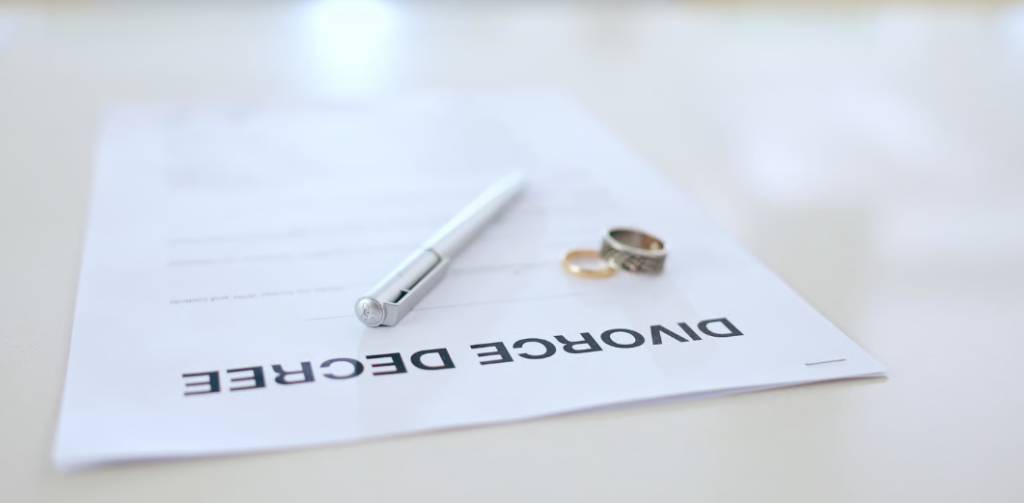
- The divorce petition is the initial document filed with the court, stating the grounds for divorce and the desired outcome. The petition should also specify the official date the marriage or partnership ends to ensure proper legal documentation.
- The court assigns a case number to each divorce case, which is used to track the progress of the case.
- The divorce petition must be served to the other spouse, along with a summons, to inform them of the divorce proceedings.
- The responding spouse has 30 days to file a response to the divorce petition.
- Failure to respond may result in a default judgment, finalizing the divorce.
Online Divorce Platforms
- Online divorce platforms provide a convenient and efficient way to complete and file California divorce forms.
- These platforms offer court-approved forms, ensuring that the documents are accurate and complete.
- Couples can access and complete the necessary forms online, eliminating the need for lawyer fees.
- Online divorce platforms often provide additional services, such as document review and filing assistance.
- The cost of using an online divorce platform is typically lower than hiring a lawyer to handle the divorce process.
Child Support and Custody
- Child custody and support are critical issues in divorce cases involving minor children.
- The court’s primary concern is the best interest of the child, and custody decisions are made based on this standard.
- The Uniform Child Custody Jurisdiction Act (UCCJA) governs child custody cases in California.
- Child support calculations are based on the Income Shares Model, considering both parents’ income and expenses.
- Parents can decide on child custody and support arrangements together, or they can leave these decisions to the court.
Financial Information and Disclosure
- Financial disclosure is a crucial aspect of the divorce process, requiring both spouses to provide accurate and complete information.
- Couples must disclose all income, expenses, assets, and debts to ensure a fair division of property.
- The court may request additional documentation, such as tax returns and bank statements, to verify the financial information.
- Failure to provide accurate financial information can result in delays or even dismissal of the divorce case.
- Financial disclosure is essential for determining spousal support and property division.
DIY Divorce Process
The DIY divorce process in California offers a practical and budget-friendly way for couples to end their marriage, especially when both parties agree on the major issues. To start a divorce on your own, you’ll need to gather the necessary California divorce forms, which are available online or directly from the court clerk’s office. The process begins with filing a divorce petition, which outlines the grounds for divorce—typically irreconcilable differences or incurable insanity—and your desired outcomes regarding property, debts, and, if applicable, child custody.
One of the main advantages of a DIY divorce is the ability to minimize court fees and avoid the expense of hiring an attorney. However, it’s crucial to ensure that all legal forms are filled out accurately and completely. Once you have your completed forms, submit them to the court clerk, who will assign a case number and officially start your divorce case. Be prepared to pay the filing fee, which generally ranges from $435 to $450, unless you qualify for a fee waiver due to financial hardship.
If you and your spouse or domestic partner have minor children, you’ll need to address child custody and child support as part of your divorce process. California courts require a uniform child custody jurisdiction declaration to establish which state has authority over custody decisions. You may also need to submit a property declaration and other documents detailing your financial information, assets, and debts. The court may request additional forms or necessary attachments depending on your specific situation, such as a summary dissolution for short-term marriages with limited assets.
Serving the divorce papers to your spouse is a critical step. This can be done in person or by mail, often using a self-addressed stamped envelope to ensure the other party receives the documents. After service, your spouse has a set period to respond, and if they do not, the court may issue a default judgment.
Throughout the DIY divorce process, it’s important to keep thorough records of all paperwork, including the divorce petition, summons, and any judgments or agreements. The court will require full disclosure of financial information from both parties to ensure a fair division of property and debts. Following the specific rules and deadlines set by the court is essential to protect your legal rights and avoid unnecessary delays.
For couples who can make their own decisions and reach agreements on key issues, a DIY divorce in California can be completed in as little as six months, which is the state’s mandatory waiting period. By understanding the necessary forms, court procedures, and your legal obligations, you can navigate the process efficiently and move forward with confidence.
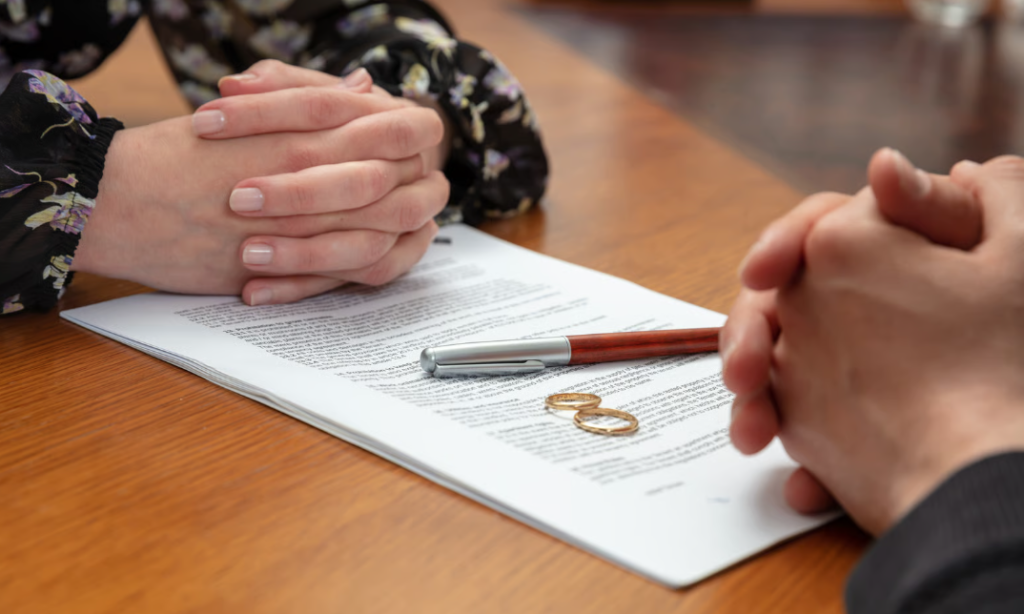
Court Procedures
- The court procedures for divorce in California involve several steps, including filing, serving, and responding to the divorce petition.
- The court may schedule hearings to address specific issues, such as child custody or support.
- Couples must provide financial disclosure and complete any necessary forms or documentation. The timeline and outcome of court procedures can also be influenced by other factors, such as case complexity or court schedules.
- The court will review the case and make decisions based on the information provided.
- The final step is obtaining a final judgment, which is the official document ending the marriage.
Finalizing the Divorce
- Finalizing the divorce involves obtaining a final judgment from the court.
- The final judgment is the official document ending the marriage and outlining the terms of the divorce.
- Couples must ensure that all necessary forms and documentation are complete and filed with the court.
- The court will review the case and make any necessary decisions before issuing the final judgment.
- The final judgment is typically issued after the mandatory 6-month waiting period, but the time it takes to receive the final judgment may vary depending on the court’s schedule and the complexity of the case.
Post-Divorce Procedures
- After the divorce is finalized, couples must attend to several post-divorce procedures.
- These procedures may include dividing property, transferring assets, and updating financial information.
- Couples must also ensure that all necessary documents, such as deeds and titles, are updated to reflect the new ownership.
- The court may require additional documentation or hearings to address any outstanding issues.
- Post-divorce procedures can take several months to complete, depending on the complexity of the case.
Contact Us Now