












Understanding Your Rights as a Tenant in CA


Authored by Izzat H. Riaz – Californian Paralegal, U.K. Certified Lawyer (LL.M.)

A practical, real-world guide from a California landlord-tenant law perspective
As a tenant in California, your rights are not just theoretical. They are written into state statutes, reinforced by local ordinances, and actively enforced by courts and government agencies. Yet in practice, many renters do not realize the scope of these protections until they are facing a rent hike, a withheld security deposit, or an eviction notice.
In my experience as an LL.M. and certified paralegal working closely with California landlord-tenant law, most disputes escalate not because tenants are unreasonable, but because they do not know what the law actually requires of landlords. This guide is designed to give you clear, usable information about your rights, your responsibilities, and your options if something goes wrong.
The Legal Foundation of Tenant Rights in California
Tenant rights in California come from three main sources:
- State law, including the Civil Code and the Tenant Protection Act
- Local laws, such as rent control and just-cause eviction ordinances
- Your lease or rental agreement
State law sets the minimum level of protection. Cities and counties are allowed to go further, which is why tenant rights in places like San Francisco, Los Angeles, or Oakland are often stronger than elsewhere in the state.
The California Attorney General and local city attorneys play a key role in enforcing these laws, but tenants often must assert their rights proactively.
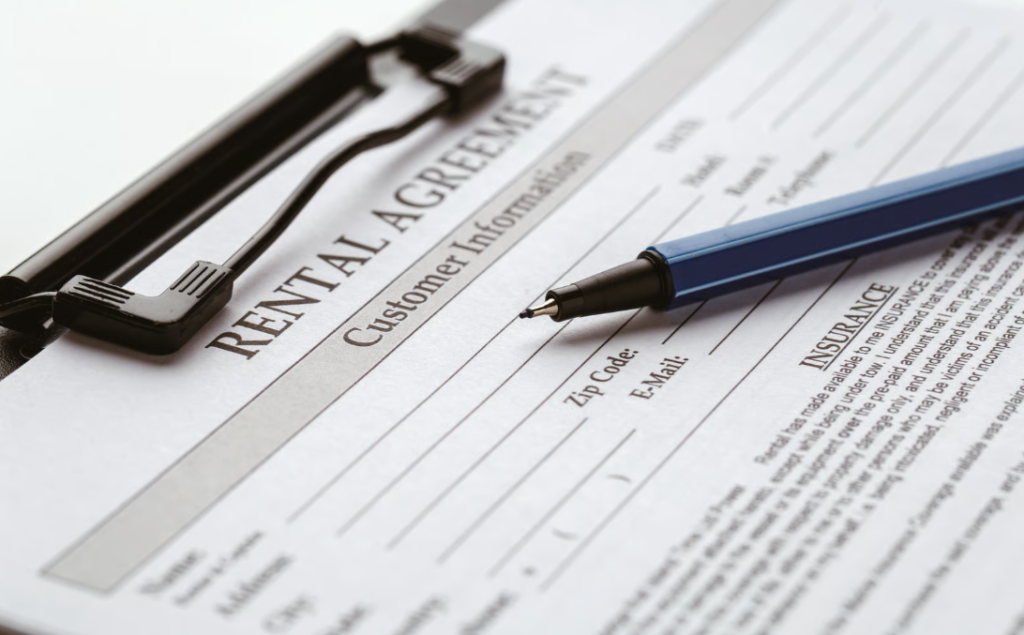
Your Lease or Rental Agreement Matters, But It Is Not Absolute
A lease or rental agreement defines the basic terms of your tenancy, including rent, duration, and rules of occupancy. However, a lease cannot waive your statutory tenant rights. If a lease clause conflicts with California law, the law controls.
Before signing and throughout your tenancy, you should understand:
- Rent amount and due date
- Rules on rent increases
- Security deposit terms
- Repair and maintenance responsibilities
- Eviction procedures
- Rules on subletting or assignment
Always keep a copy of your lease and any written changes. In disputes, this document is often the starting point.
Security Deposits: One of the Most Enforced Tenant Rights
Security deposits are a frequent source of conflict, and California law is very specific.
Landlords may only use a deposit for:
- Unpaid rent
- Cleaning beyond normal wear and tear
- Repair of tenant-caused damage
- Restoration expressly authorized by the lease
They cannot charge for ordinary wear and tear.
The landlord must:
- Return the deposit within 21 days of move-out
- Provide a written, itemized statement of any deductions
Wrongful withholding can expose a landlord to statutory penalties, not just repayment of the deposit.
From a practical standpoint, tenants should document the unit’s condition at move-in and move-out with photos and written notes. That single step prevents many disputes.
Rent Increases and Rent Stabilization
California’s Tenant Protection Act limits rent increases for many residential units. In addition, many cities impose stricter rent stabilization rules.
In general:
- Rent increases are capped annually for covered units
- Written notice is required
- Larger increases require longer notice periods
- Some properties are exempt, but exemptions must be properly disclosed
If a landlord raises rent unlawfully or uses rent increases to force a tenant out, that conduct may violate state or local law.
Habitability and Repair Rights
California tenants have the right to a safe and habitable home. Landlords are responsible for conditions that materially affect health or safety, including:
- Plumbing, heat, and electricity
- Structural integrity
- Weatherproofing
- Mold, pests, or rodent infestations
- Required smoke and carbon monoxide detectors
Repair requests should always be made in writing. If a landlord ignores serious habitability issues, tenants may have legal remedies, but those remedies must be exercised carefully and in compliance with the law.
Privacy Rights and Landlord Entry
Even though you rent, your home is private.
Landlords may enter only for limited reasons, such as repairs or inspections, and generally must give at least 24 hours’ written notice in California. Entry without notice is permitted only in true emergencies.
Repeated, unnecessary, or harassing entry can violate your right to quiet enjoyment and may be legally actionable.

Protection Against Discrimination and Harassment
Federal, state, and local fair housing laws prohibit discrimination based on protected characteristics, including race, religion, sex, gender identity, sexual orientation, disability, familial status, and more.
Landlords are also prohibited from harassing tenants to pressure them to move. Harassment can include:
- Threats or intimidation
- Lockouts or utility shut-offs
- Refusal to make repairs
- Excessive or baseless notices
Tenants may file complaints with housing agencies or pursue legal claims when discrimination or harassment occurs.
Subletting and Assignment
Whether you can sublet or assign your lease depends on:
- Your lease language
- State and local law
Most leases require written landlord consent. Subletting without approval can expose a tenant to eviction.
Before transferring your unit to someone else, review your lease carefully and document any permission in writing.
Eviction Protections and Due Process
A landlord cannot legally evict you without following the law.
Evictions require:
- Proper written notice
- A lawful reason where just-cause rules apply
- A court process if the tenant does not voluntarily leave
Self-help evictions, such as changing locks or shutting off utilities, are illegal. Tenants have the right to contest evictions in court and to seek legal representation.
If you receive an eviction notice, act quickly. Deadlines are short, and early action preserves options.
Health and Safety Standards
Landlords must provide and maintain:
- Secure doors and windows
- Required appliances where mandated by law
- Safe common areas
- Pest-free living conditions
If health or safety issues arise, report them in writing. If a landlord fails to act, legal remedies may be available.
Legal Help and Tenant Resources
Tenants have access to:
- Legal aid organizations
- Tenant clinics and housing nonprofits
- City housing departments and city attorney offices
- Private landlord-tenant attorneys for complex cases
For California-specific resources, LawHelpCA.org is a reliable starting point.
Final Thoughts
California tenant law is designed to create stability and fairness in housing, but those protections only work when tenants understand and assert them.
From my professional perspective, the tenants who fare best are not confrontational. They are informed, organized, and proactive. Reading your lease carefully, documenting issues, communicating in writing, and seeking guidance early can prevent small problems from becoming housing crises.
Housing stability matters. Knowing your rights is how you protect it.
Contact Us Now