









DIY Divorce in California: A Step by Step Guide From a Legal Perspective


Authored by Izzat H. Riaz – Californian Paralegal, U.K. Certified Lawyer (LL.M.)

Introduction: Can You Really Divorce Without a Lawyer?
I see this question constantly. A couple knows their marriage is over, they want to move on respectfully, and the first fear that hits is cost. Attorney fees feel overwhelming, especially when there is no appetite for a courtroom fight. The paperwork, however, looks intimidating, and California family law has a reputation for being form-heavy and unforgiving of mistakes.
The short answer is yes, you can divorce without a lawyer in California. Many people do. But whether you should depends entirely on your facts, your level of agreement, and your willingness to be organized and precise. In my work and research as an LL.M. and certified paralegal, I have seen DIY divorces go smoothly and I have seen them derail over small, avoidable errors.
This guide walks you through the California DIY divorce process in plain English, from eligibility to final judgment, so you can decide whether self-representation is realistic for you and, if so, how to do it correctly.
Understanding Divorce in California
What Divorce Means Under California Law
California refers to divorce as dissolution of marriage. It is the legal process that ends a marriage and resolves property division, child custody, child support, and spousal support.
California is a no-fault divorce state. That means you do not need to prove wrongdoing. The vast majority of cases are filed on the ground of irreconcilable differences, which simply means the marriage cannot be repaired.
Fault does not determine whether you can get divorced. However, certain conduct, such as domestic violence or financial misconduct, can still affect custody, support, or property decisions even though it is not a ground for divorce itself.
Divorce Versus Legal Separation
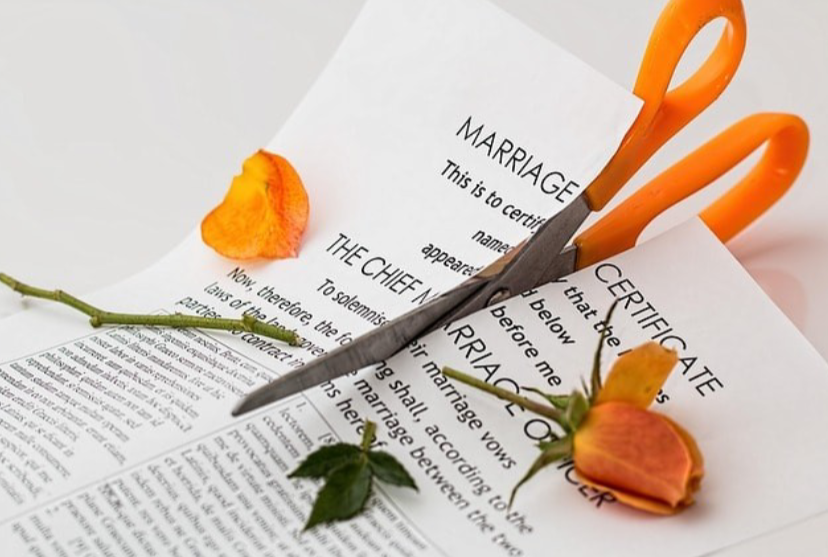
Divorce permanently ends the marriage and allows both parties to remarry. Legal separation addresses custody, support, and property issues but leaves the marriage legally intact. Some couples choose legal separation for religious, financial, or insurance reasons. From a procedural standpoint, the paperwork is similar, but the legal outcome is very different.
Who Can File: Residency Requirements
Before you file, at least one spouse must have lived in California for six months and in the county of filing for three months. Registered domestic partners are subject to similar rules, with some exceptions depending on when and where the partnership was registered.
Preparing for a DIY Divorce
A successful DIY divorce starts before you file anything.
You need to understand which type of case you are filing, gather the correct forms, and be realistic about whether you and your spouse truly agree on all major issues. Courts do not simplify the rules just because you are self-represented. Preparation is what makes the process manageable.
Organizing Financial and Personal Documents
You will need a complete picture of your finances. That includes income, expenses, bank accounts, retirement accounts, real estate, vehicles, debts, and any other assets or liabilities.
California requires full financial disclosure. This is not optional, even in uncontested cases. In practice, incomplete or inaccurate disclosures are one of the most common reasons DIY divorces get delayed or rejected.
Assessing Whether Self-Representation Makes Sense
DIY divorce works best when both spouses agree on property division, support, and custody, there is no domestic violence or safety concern, and the finances are relatively straightforward.
If you have complex assets, significant retirement accounts, business interests, or high-conflict custody issues, I strongly recommend at least consulting a family law attorney before proceeding. Self-representation is about saving money, not taking unnecessary legal risks.
When DIY Divorce Is a Good Option
DIY divorce is most appropriate in uncontested cases, meaning both spouses agree on all terms.
It is generally workable when there are no disputes over custody, child support follows guideline calculations, property can be clearly divided, and both parties are cooperative.
DIY divorce is usually not appropriate for contested cases. Once you are asking a judge to decide disputed issues, the legal and procedural complexity increases dramatically.
The California DIY Divorce Process

Step One: Decide the Type of Divorce
Some couples qualify for summary dissolution, which is a simplified process with strict eligibility requirements. This option is limited to short marriages, no children, and minimal assets and debts.
Most DIY divorces follow the standard uncontested dissolution process. Contested cases are rarely suitable for DIY filing.
Step Two: Gather the Required Forms
At a minimum, most cases require the Petition for Dissolution (FL-100), Summons (FL-110), and financial disclosure forms. If you have children, you will also need custody-related forms. If you are dividing property, a Property Declaration may be required.
Every required form must be completed accurately and fully before filing.
Step Three: File the Forms
You file your paperwork with the Superior Court in the county that meets residency requirements. You pay the filing fee or submit a fee waiver request. The clerk assigns a case number.
Filing errors at this stage can cause delays, so double-check everything.
Step Four: Serve the Papers
The other spouse must be formally served. You cannot serve your spouse yourself. Service rules are strict, and improper service can invalidate your case.
Proof of service must be filed with the court.
Step Five: The Mandatory Waiting Period
California requires a six-month waiting period from the date of service before marital status can be terminated. This waiting period applies even in uncontested cases and cannot be waived.
Step Six: Draft the Marital Settlement Agreement
This is one of the most important documents in the case. It sets out property division, spousal support, child custody, and child support.
Agreements must be clear, specific, and enforceable. Vague language is one of the most common DIY mistakes I see. Agreements are typically signed before a notary public.
Property Division and Spousal Support
California is a community property state. In general, assets and debts acquired during the marriage are divided equally. Separate property usually remains with the original owner, but only if it is properly identified and traced.
Spousal support depends on factors such as length of marriage, income, and earning capacity. Some couples waive support. Others agree to limited support for a defined period. Courts will review these terms carefully.
Step Seven: Court Hearings
Many uncontested cases do not require a hearing. However, some counties require brief appearances or additional review, especially in cases involving children.
Step Eight: Final Judgment
Once all paperwork is submitted and reviewed, the judge signs the judgment. Your marital status terminates on the legal end date, which cannot be earlier than six months from service.
Filing for Divorce Online
California courts provide online forms and self-help resources. Some private online divorce services also exist. These services can be useful for organization but they are not substitutes for legal advice. Ultimately, you are responsible for the accuracy of your filings.
Divorce With Children
Cases involving children require custody, visitation, and child support orders. Child support must comply with statewide guidelines unless there is a legally valid reason for deviation.
Special forms apply when minor children are involved, and courts scrutinize these cases more closely.
Divorce for Domestic Partners
Registered domestic partners follow a similar legal process to married couples. Domestic partnerships can be dissolved, legally separated, or annulled through the court system, and summary dissolution may be available in limited circumstances.
Costs of DIY Divorce in California
The main cost is court filing fees. Additional costs may include certified copies, service fees, and notary fees. Proper preparation saves money by avoiding rejected filings and delays.
Common DIY Divorce Mistakes
The most frequent issues I see include missing attachments, filing in the wrong order, misunderstanding waiting periods, incomplete financial disclosures, and using vague settlement language.
These mistakes often cost more to fix later than it would have cost to get limited legal guidance upfront.
When You Should Still Consider a Divorce Attorney
If there is domestic violence, contested custody, complex property, uncooperative spouses, or significant financial risk, professional legal guidance is critical. DIY divorce is not worth jeopardizing long-term financial or parental rights.
Self-Help Centers and Court Resources
California courts offer family law facilitators, self-help centers, and online guides. Court clerks can explain procedures and check for missing forms, but they cannot give legal advice.
Final Thoughts
A DIY divorce in California is possible when both spouses agree and are willing to follow the rules carefully. It can save money and reduce stress, but it requires discipline, organization, and honesty.
From my perspective as an LL.M. and certified paralegal, the key is knowing your limits. Use self-help resources wisely, document everything, and do not hesitate to seek professional input if your case becomes more complex than expected. The goal is not just to finish the process, but to finish it correctly so you can move forward without unresolved legal problems hanging over you.
Contact Us Now