












No-Fault Eviction in California: What Tenants Need to Know About Their Rights and Options


Authored by Izzat H. Riaz – Californian Paralegal, U.K. Certified Lawyer (LL.M.)
Written from a California landlord–tenant law perspective

No-fault eviction is one of the most misunderstood areas of California landlord–tenant law. I regularly see tenants panic when they receive an eviction notice even though they have paid rent on time, followed the lease, and done nothing wrong. Under California law, being a good tenant does not always prevent eviction, but it does trigger powerful protections that many landlords either misunderstand or ignore.
As an LL.M. and certified paralegal who works closely with California housing law, my goal here is to explain exactly when no-fault evictions are allowed, what landlords must do to evict lawfully, and what options tenants have when something feels off.
This guide is grounded in the California Tenant Protection Act and related statutes, not landlord talking points.
What Is a No-Fault Eviction in California?
A no-fault eviction is a type of just cause eviction where the tenant has not violated the lease or rental agreement. Instead, the landlord is seeking to recover possession of the rental unit for reasons unrelated to tenant conduct.
Under the California Tenant Protection Act, no-fault reasons generally include:
- Owner move-in
- Move-in by a close family member
- Withdrawal of the unit from the rental market
- Substantial remodeling that requires the unit to be vacant
These evictions are legal only if strict statutory requirements are met. If even one requirement is missing, the eviction may be unlawful.
When the Tenant Protection Act Applies
The California Tenant Protection Act applies to most residential rental units once a tenant has occupied the unit for 12 months (or 24 months if additional adult occupants were added later).
It applies broadly to:
- Apartment buildings
- Most single-family homes owned by corporations, REITs, or LLCs
- Many multi-unit properties
There are exemptions, including:
- Owner-occupied duplexes
- Certain government-regulated affordable housing
- Single-family homes owned by individuals (only if proper exemption notices were given)
Exemptions are not automatic. Landlords must properly notify tenants in writing. If they fail to do so, the property may still be covered by the Act.

The No-Fault Eviction Notice: What the Law Requires
A no-fault eviction notice must be legally precise. A vague or incomplete notice is not enforceable.
Key requirements include:
- Written notice stating the specific no-fault reason
- Proper notice period, typically 60 days for long-term tenants
- Compliance with SB 567 for owner move-in and remodeling evictions
- Written disclosure of relocation assistance
If any of these elements are missing or incorrect, the eviction can be challenged.
Relocation Assistance: A Mandatory Tenant Right
One of the most important tenant protections in a no-fault eviction is relocation assistance.
Under California law, landlords must provide relocation assistance equal to at least one month’s rent. This is not optional.
The landlord must either:
- Pay the relocation amount directly to the tenant, or
- Waive the final month’s rent in writing
Local ordinances in cities such as Los Angeles, San Francisco, and parts of Orange County may require additional relocation payments beyond the state minimum.
Failure to provide relocation assistance can invalidate the eviction and expose the landlord to penalties.
Owner Move-In Evictions: Commonly Abused, Heavily Regulated
Owner move-in is one of the most frequently misused no-fault eviction grounds.
To lawfully evict for owner or family move-in:
- The owner or qualifying family member must actually occupy the unit as a primary residence
- The landlord must comply with notice and relocation rules
- The occupancy must last for the legally required period
If the landlord re-rents the unit at a higher rent shortly after eviction, that is a red flag and may constitute an unlawful eviction.
Substantial Remodeling: Not Just Cosmetic Work
Not all repairs justify a no-fault eviction.
“Substantial remodeling” must involve major structural work that:
- Cannot be performed safely with the tenant in place
- Requires permits
- Necessitates the tenant vacating the unit
Painting, flooring, appliance upgrades, or minor renovations do not qualify.
In many cases, tenants also have a right of first refusal to return to the unit once the remodeling is complete.
No-Fault Evictions Cannot Be Used to Raise Rent
One of the central purposes of the Tenant Protection Act is to prevent landlords from evicting long-term tenants simply to reset rents.
If a no-fault eviction is being used as a pretext to:
- Remove a rent-controlled tenant
- Raise rent beyond lawful limits
- Replace tenants without a legitimate statutory reason
That eviction may be illegal.
Courts take these cases seriously, and landlords who abuse no-fault provisions can face significant penalties.
What Tenants Should Do After Receiving a No-Fault Eviction Notice
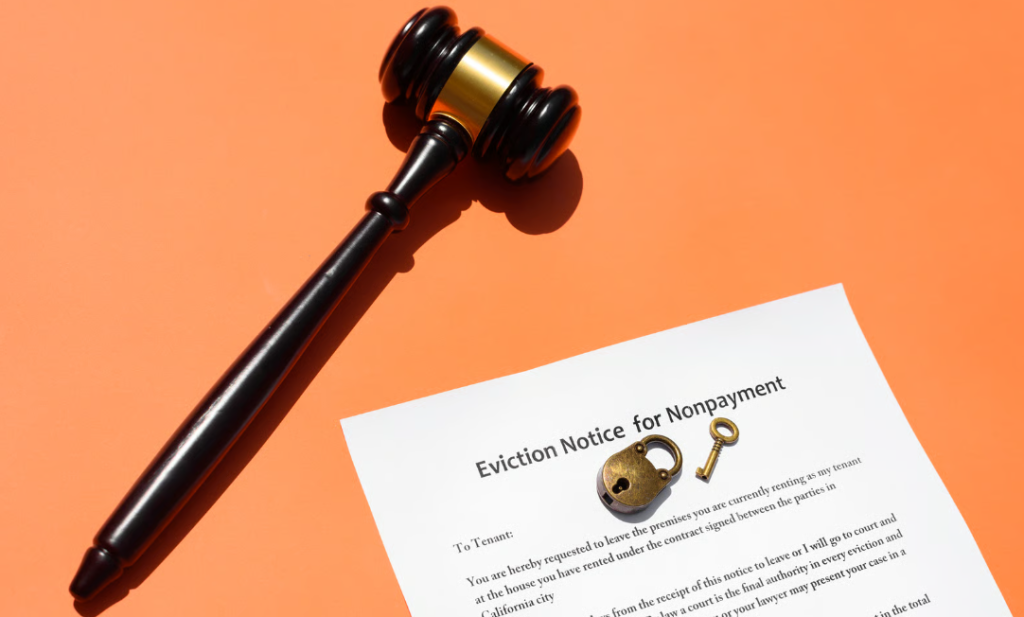
If you receive a no-fault eviction notice:
- Do not ignore it, but do not panic
- Review the notice carefully for legal compliance
- Confirm whether your unit is covered by the Tenant Protection Act
- Verify whether relocation assistance is offered and correctly calculated
- Document everything
If something does not line up, you may have the right to contest the eviction in court.
Responding to an Eviction
Tenants generally have the right to:
- Contest the eviction in court
- Raise defenses based on improper notice or lack of relocation assistance
- Seek help from legal aid, tenant organizations, or private counsel
Responding promptly is critical. Missed deadlines can limit options even when the eviction is unlawful.
Local Laws May Offer Even More Protection
California law sets a baseline. Many cities add additional layers of tenant protection.
Local ordinances may require:
- Longer notice periods
- Higher relocation payments
- Stricter owner move-in requirements
Tenants should always check both state and local law before assuming an eviction is valid.
Tenant Resources and Legal Help
Tenants facing no-fault eviction should consider:
- Local legal aid organizations
- Tenant unions or housing clinics
- City attorney housing units
- Private landlord–tenant attorneys for complex or high-value cases
Early legal guidance often determines whether a tenant walks away with proper relocation assistance or is unlawfully displaced.
Final Takeaway
A no-fault eviction does not mean you have no rights.
California law requires landlords to meet strict conditions, provide proper notice, and pay relocation assistance. When those rules are not followed, tenants have real legal options.
From my professional perspective, the most important thing a tenant can do is slow the process down, review the notice carefully, and get informed before acting. Many no-fault evictions collapse once the law is applied correctly.
Understanding your rights is the first step toward protecting your housing stability in California’s complex rental market.
Contact Us Now